

Education
By Jensen Jones
There is a point in growth where the way you have always led the business starts to work against you.
Nothing is necessarily wrong.
Revenue may still be growing. Clients are being served. You have good people on the team.
But everything feels harder than it should.
Decisions take longer. Meetings multiply. Your team keeps coming back to you for answers. You spend more of your time keeping everyone aligned and less of it actually moving the business forward.
That is organizational drag.
Organizational drag is the friction that builds as a company grows but the way decisions get made, information moves, and responsibility is shared does not grow with it.
And sometimes you are the one creating it.
Not because you are a bad leader. Usually it is the opposite.
You built the business by being involved. You knew the clients. You knew the caregivers. You knew the numbers. When there was a problem, you solved it. When a decision needed to be made, you made it.
That involvement probably helped get the business where it is today.
But the business grew.
What worked at $2 million may not work at $5 million. What worked at $5 million may not work at $10 million.
At some point, staying involved in everything stops creating speed and starts creating dependence.
Without realizing it, you begin training the organization to wait.
Your leaders wait for your approval.
Your managers bring decisions to you that they should be making themselves.
Meetings become less about solving problems and more about making sure everyone has the same information.
And eventually you become the person everything has to move through.
That is organizational drag.
The difficult part is that the business may still be performing. There is no crisis forcing you to change.
You just feel the weight of it.
I have heard versions of this in several HOMECAREceo conversations recently. The business is growing, but it takes more energy to produce the same momentum.
The answer is not to disappear from the business.
It is intentional release.
That means getting clear about which decisions truly require you and which ones should be made without you. It means giving your leaders the authority to make those decisions and allowing them to own the outcome.
It also means accepting that they may not always make the decision exactly the way you would.
That is part of letting go.
Letting go does not mean lowering your standards.
It means building a business that can meet those standards without requiring you to be involved in every decision.
Reducing organizational drag does not mean removing yourself from the business. It means removing yourself from the places where your involvement is creating friction instead of value.
That is the leadership shift.
The business does not need less leadership from you.
It needs a different kind of leadership from you.
Where is your business waiting on you when it shouldn’t be?
And what would happen if you finally let it move without you?
Community
Commonwise Home Care: Premium, By Design
Most agencies compete on price. Commonwise decided to compete on quality.
Amber Best Roberts leads Commonwise Home Care, serving communities across Virginia and South Carolina. The positioning is deliberate: premium in-home care, with an operating model built to deliver it.
They started in the HOMECAREceo Top 7% group and have since graduated to the Top 5%. They have also hosted two HOMECAREceo in person meetings, opening their doors to owners from across the community.
What stands out to me is how the strategy compounds.
Commonwise pays premium wages, selects caregivers meticulously, and invests in a real back office support team. That investment shows up in the numbers. Their caregiver retention rate is 42% above the national average, and 76% of new clients come from word of mouth. Each family is also assigned a dedicated registered nurse, so the care can adapt as their needs change.
Pay and support caregivers better, keep them longer, and deliver better care. Better care creates families who tell other families.
More than two million hours of care later, it is clearly working.
For operators, Commonwise is a good reminder that premium is not just a price point. It has to be built into the business. The caregivers you hire, what you pay them, how you support them, and the infrastructure you put around the client all have to support the promise you are making.
Commonwise has built the operating model to match the promise.
Learn more at commonwisecare.com.
Service
A Curated Room of Home Care Owners and Operators
There are some conversations home care owners can only really have with other owners.
Not because other people do not care, but because they do not carry the same decisions every day.
Growth decisions. Leadership decisions. Care quality decisions. Team decisions. The constant balance between serving families well and building a stronger company.

That is why HOMECAREceo exists.
And this October 18-20th, we are bringing that kind of room together in Denver for Better Together.
It is a curated gathering of home care owners and executive leaders who value honest conversation, practical strategy, and peer-to-peer learning. Owners who are ready to work on their business!
If you are curious about HOMECAREceo or interested in being considered for a special invitation to our Better Together meeting, contact us HERE or use the QR Code:

Jensen Jones – CEO
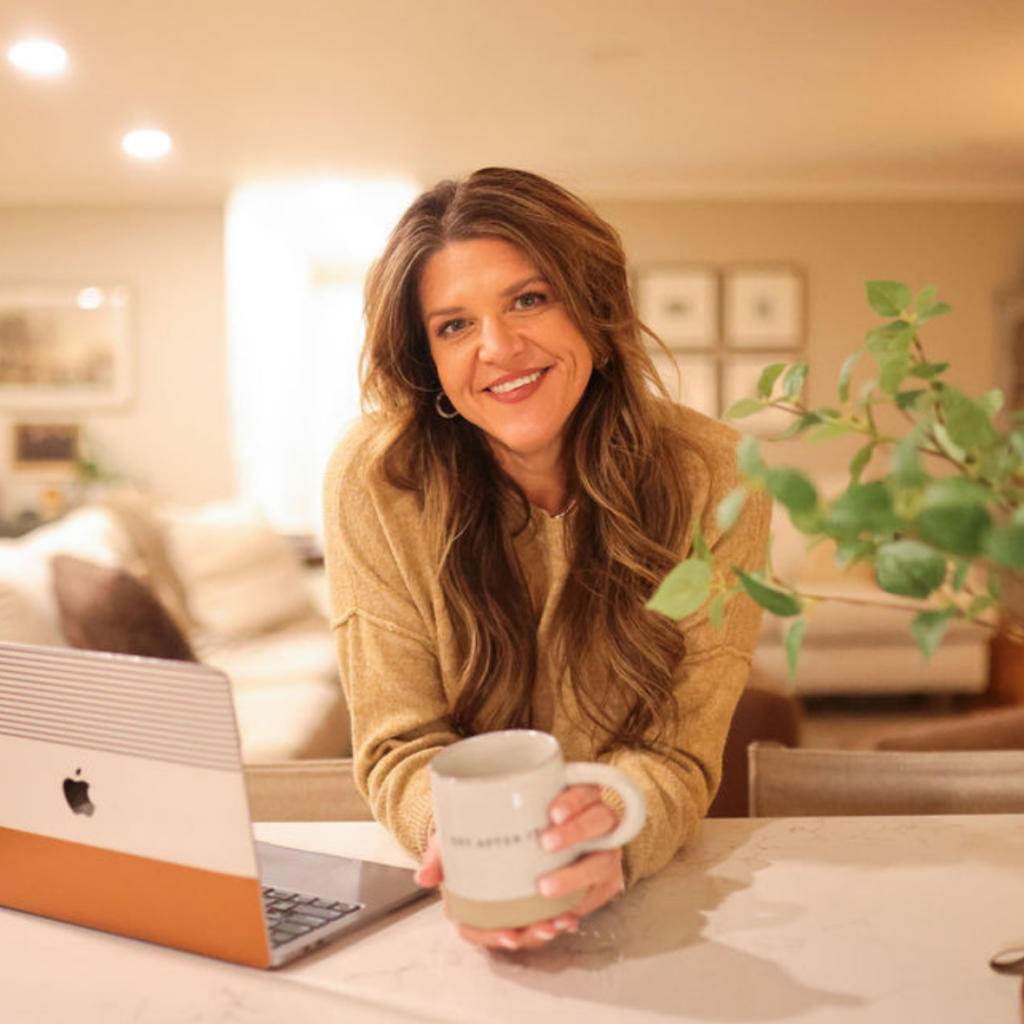
Casey Rausin – CEO